

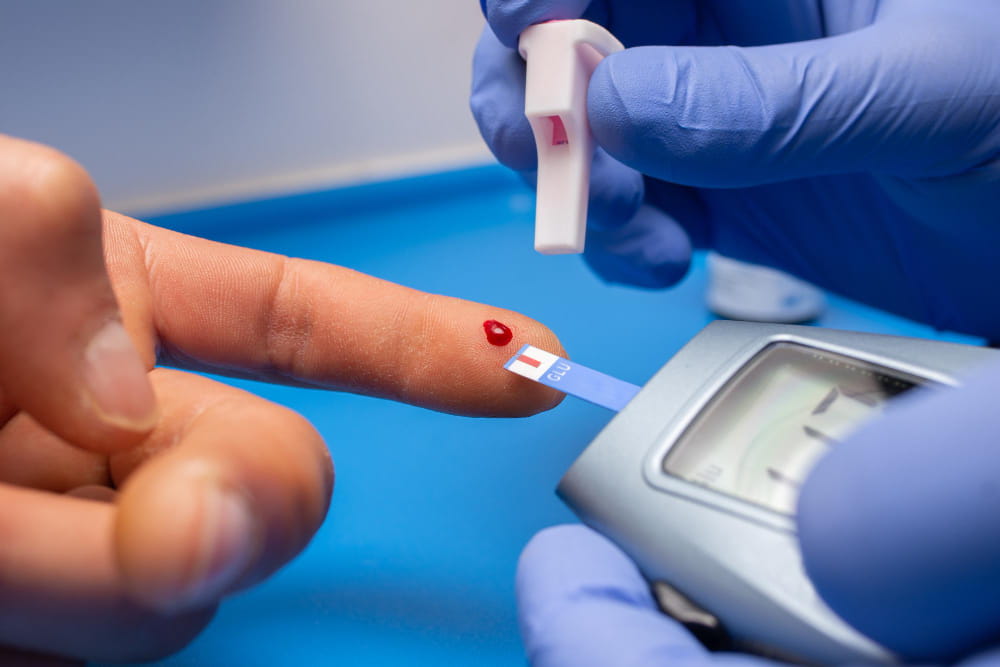
Diabetes is a common health condition that can develop gradually, sometimes without noticeable symptoms in its early stages. Regular blood sugar testing can help identify abnormal glucose levels and support timely medical evaluation.
If you are at risk of diabetes, have symptoms such as increased thirst or frequent urination, or have already been diagnosed with diabetes, your doctor may recommend one or more blood glucose tests. Among these, the HbA1c test is one of the most commonly used tests for assessing long-term blood sugar levels.
Diabetes occurs when the body cannot properly regulate blood glucose (sugar) levels. This may happen because the pancreas does not produce enough insulin, or because the body does not use insulin effectively.
Persistently high blood sugar can affect different organs and, when left unmanaged, may contribute to complications involving the eyes, kidneys, nerves, heart and blood vessels.
Testing helps detect abnormal blood glucose levels and monitor people who have already been diagnosed with diabetes.
The HbA1c test, also called the glycated haemoglobin or A1C test, provides an estimate of your average blood glucose level over approximately the previous 2–3 months.
Unlike a blood sugar test that measures glucose at a particular point in time, HbA1c reflects longer-term blood sugar exposure.
This makes HbA1c useful for:
One major advantage is that HbA1c generally does not require fasting.
Depending on your symptoms, medical history and doctor's recommendation, diabetes evaluation may include:
A fasting blood glucose test measures blood sugar after a specified period without eating. It is commonly used to evaluate glucose regulation.
This test measures blood glucose after a meal, usually at a specified time. It can provide additional information about how the body handles glucose after eating.
A random blood glucose test can be performed at any time, regardless of when you last ate. It may be used when diabetes is suspected based on symptoms or other clinical information.
During an OGTT, blood glucose is measured before and after consuming a glucose-containing drink. It is particularly useful in certain diagnostic situations, including evaluation for diabetes during pregnancy.
Blood sugar levels naturally change throughout the day depending on meals, physical activity, stress, illness and medication. A single glucose reading therefore provides information about one point in time.
HbA1c offers a broader picture of blood sugar control over the preceding several weeks. Your doctor can interpret the result along with your symptoms, medical history and other test findings.
Importantly, HbA1c results should not be interpreted in isolation. Certain conditions affecting red blood cells or haemoglobin can influence HbA1c results, so your healthcare provider may recommend additional testing when appropriate.
Your doctor may recommend diabetes testing if you have:
Even without obvious symptoms, people with risk factors may benefit from discussing appropriate screening with their healthcare provider.
The frequency of diabetes testing depends on your age, risk factors, existing health conditions and whether you have already been diagnosed with diabetes.
If you have diabetes, your doctor may recommend HbA1c testing at regular intervals to monitor your blood sugar control and assess your treatment plan.
Accurate laboratory testing is an important part of diabetes screening and monitoring. At Nayam Diagnostic, patients can access laboratory investigations such as blood glucose and HbA1c testing as recommended by their healthcare provider.
Before taking a test, check whether any specific preparation is required. While HbA1c usually does not require fasting, other blood glucose tests may have different preparation requirements.
Diabetes can often progress quietly, which is why appropriate testing plays an important role in early detection and ongoing monitoring.
If your doctor has recommended an HbA1c test, fasting blood sugar test or other diabetes investigation, getting tested at the appropriate time can provide useful information about your blood glucose levels.
Book your diabetes tests with Nayam Diagnostic and discuss your results with a qualified healthcare professional.
Diabetes testing measures blood glucose or related markers to determine whether a person has normal blood sugar, prediabetes, or diabetes.